
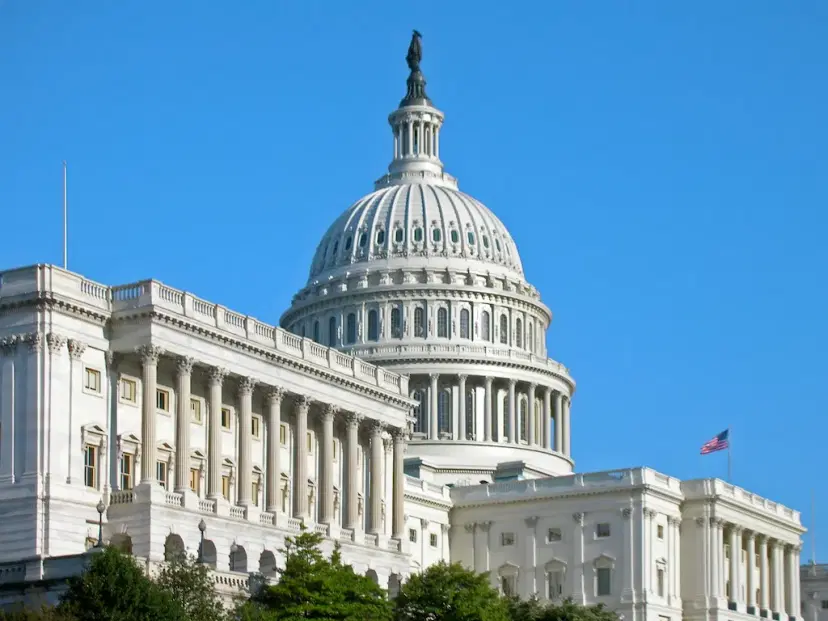
A bipartisan group of US senators has introduced the Gaming Advertisement to Minors Enforcement (GAME) Act, a federal proposal aimed at blocking sports gambling advertisements from being targeted at minors online. The legislation responds to rising scrutiny over how digital platforms distribute betting promotions across social media and streaming ecosystems.
Senators Richard Blumenthal of Connecticut and Katie Britt of Alabama introduced the bill. They argued that current advertising systems allow gambling content to reach underage users through algorithm-driven targeting and recommendation tools.
The measure comes as the USA gambling market continues expanding, with US online sportsbooks increasingly relying on digital advertising to acquire customers. Lawmakers now seek tighter guardrails on how that marketing reaches younger audiences.
Importantly, the bill does not ban gambling ads outright. Instead, it focuses on restricting targeted delivery to minors on large-scale digital platforms.
The Game Act: What are Its Key Provisions?
The GAME Act prohibits online platforms from knowingly serving targeted sports gambling advertisements to users under 18. It specifically applies to major digital platforms and ad networks with more than 100 million unique monthly users, placing the focus on Big Tech ecosystems rather than small independent websites.
Additionally, the Federal Trade Commission would enforce the law. The agency could investigate violations, require compliance changes, and impose penalties for noncompliance.
The bill introduces a tiered penalty structure. Platforms that face three separate enforcement actions or settlements for violations could incur civil fines of up to $100,000 per violation. Lawmakers designed this threshold to target repeat systemic failures rather than isolated incidents.
Moreover, the legislation encourages stronger age verification tools and limits on algorithmic ad targeting. Supporters argue these safeguards would reduce the likelihood of gambling content reaching underage users through personalized feeds.
Notably, the GAME Act preserves traditional sports broadcast advertising. Broadly aired commercials during games would remain legal unless they specifically target minors through digital systems.
Lawmakers Push for Stronger Youth Protections
Lawmakers say the bill addresses how digital advertising ecosystems have increased youth exposure to gambling content through constant online promotion rather than gaps in traditional media regulation.
Senator Katie Britt warned about the behavioral risks linked to targeted digital ads. “The rise in sports gambling among minors, particularly among young boys, is jarring,” Britt said.
She added that algorithm-driven marketing can accelerate harmful habits. “We know targeted advertising from gambling and prediction market websites can serve as the gateway to dangerous habits that too often become crippling addictions,” Britt said.
Britt also emphasized preventative intent. “Our legislation takes a critical step toward addressing this problem before it worsens,” she said.
“Our next generation is our greatest asset, and it’s our responsibility to take the necessary steps to protect them from online dangers whenever we can – which is exactly what this bill does,” Sen. Britt added.
Senator Richard Blumenthal criticized how gambling content spreads across digital platforms. “Sportsbooks and prediction markets are treating young people like a gold rush, flooding the internet with advertisements and promotions to hook them on gambling when they’re young,” he said.
He also pointed to increased mobile access among teens. “High schoolers, even middle schoolers, are now gambling on their phones as never before, losing real money and creating life-altering addiction,” Blumenthal said.
Blumenthal stressed the enforcement intent behind the proposal. “The GAME Act would create a nationwide ban on targeted advertising of gambling to kids, backed with the force of punishing fines,” he said.
Meanwhile, the rapid growth of US online sportsbooks has intensified scrutiny over how aggressively operators and platforms deploy digital marketing strategies.
Several states, including Massachusetts and Michigan, have already reviewed gambling ad exposure risks, reinforcing momentum for federal-level action.
Prediction Markets Create Another Regulatory Challenge
Beyond traditional sportsbooks, lawmakers are also examining prediction markets as part of the broader USA gambling debate. These platforms allow users to trade contracts tied to political, sports, and economic outcomes.
Regulators and sports organizations have raised concerns that some prediction market products resemble wagering instruments rather than financial derivatives. This overlap has sparked disputes over jurisdiction and oversight.
As a result, policymakers are weighing whether existing gambling laws adequately cover these emerging digital markets. The debate adds another layer of complexity to ongoing federal gambling regulation efforts.
The GAME Act now joins a broader push in Washington to tighten oversight of digital wagering-related advertising.